
Join Us @ an Upcoming Event
Did you miss one of our webinars?
Not to worry check out our Video Library HERE for recordings of past webinars!
Farming the Dust Bowl: Survival Strategies on the Land and in the Government
Join us to learn from Dr. Riney-Kehrberg about the conditions that led to the dust bowl era and how farms survived.
Agroforestry & Woodlot Extension Society
Agroforestry is a sustainable land management practice that intentionally incorporates trees and shrubs into agricultural operations. More specifically, silvopasture is the integration of trees and livestock to create a mutually beneficial system. Over time, landowners began to manage larger areas of land, relying on larger, more specialized equipment to do so. More recently, many farmers are facing difficulties in conventional production and are looking into regenerative agriculture to increase both outputs and resiliency. In this webinar we will discuss how trees can be a part of the solution and how landowners can implement these practices for lasting impacts.
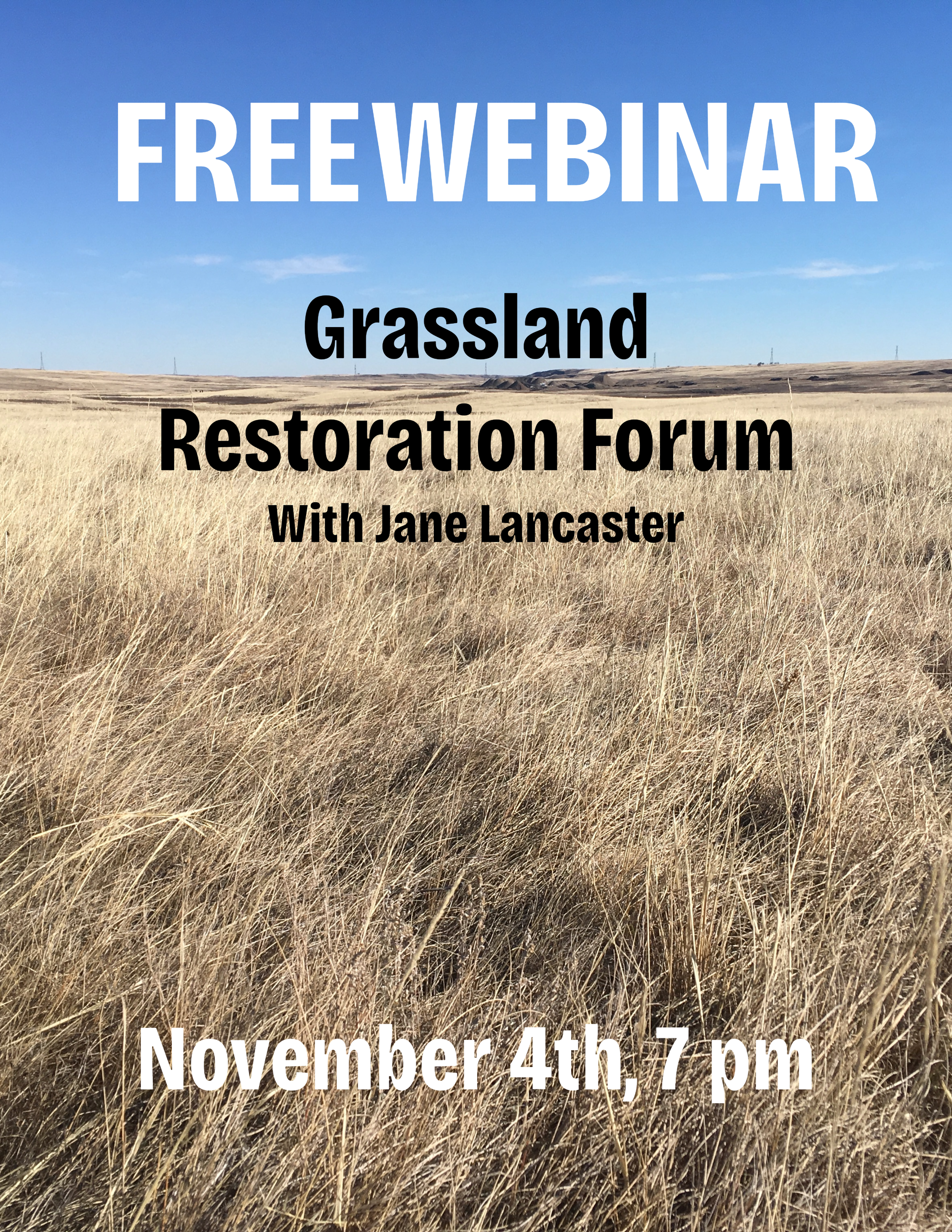
Strategies for Native Grassland Recovery in Alberta
Join us and Jane Lancaster from the Grassland Restoration Forum to learn more about the work they are doing in Alberta grasslands.
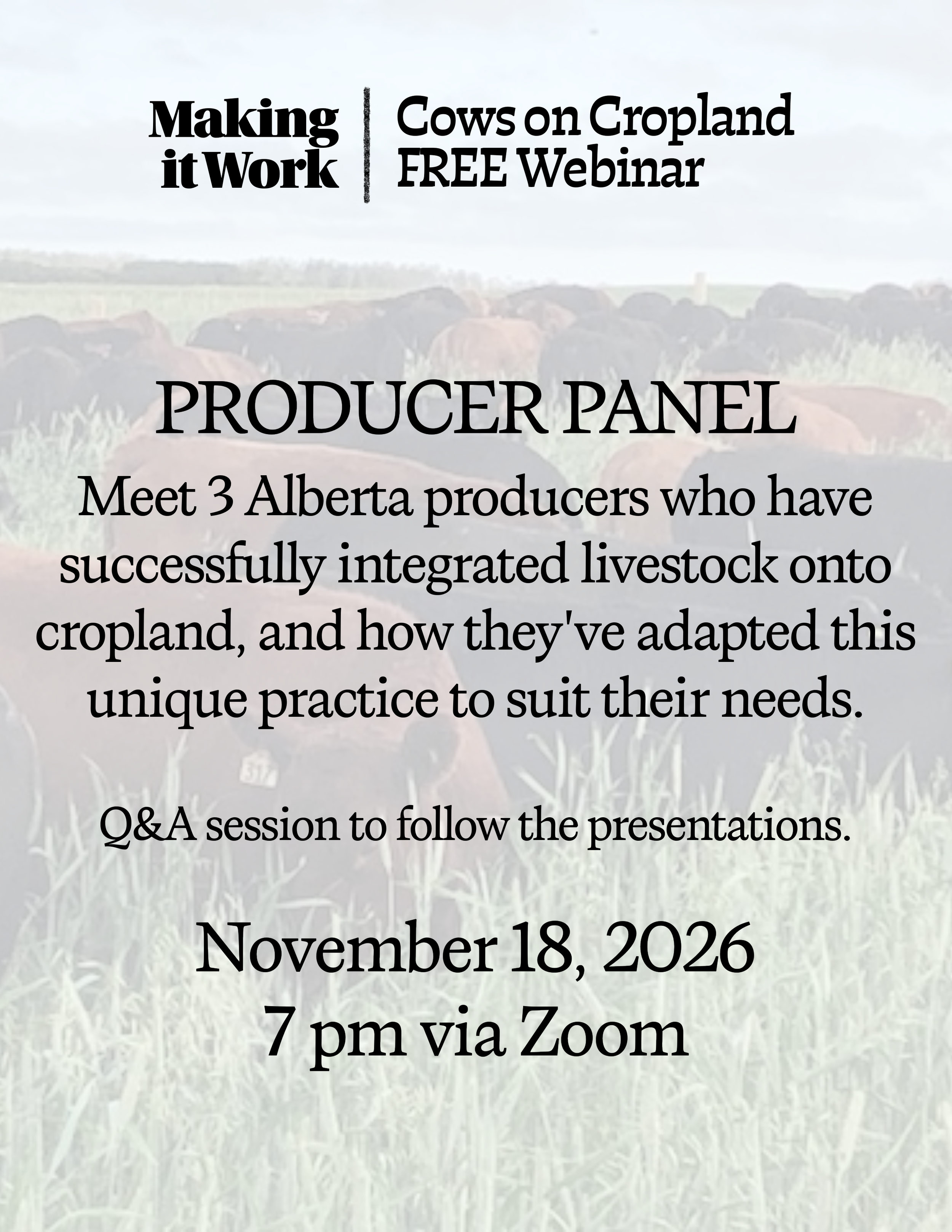
Producer Panel: Cows on Cropland
Hear from 3 Alberta producers who have successfully integrated livestock onto cropland, and how they have adapted this unique management strategy to suit their needs.
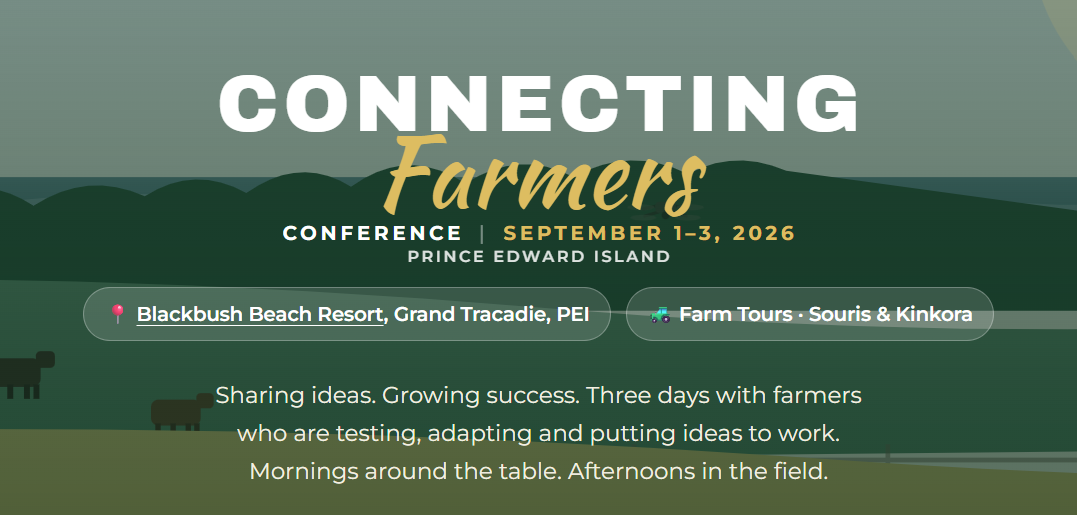
Connecting Farmers Conference
Sharing ideas. Growing success. Three days with farmers who are testing, adapting and putting ideas to work. Mornings around the table. Afternoons in the field.
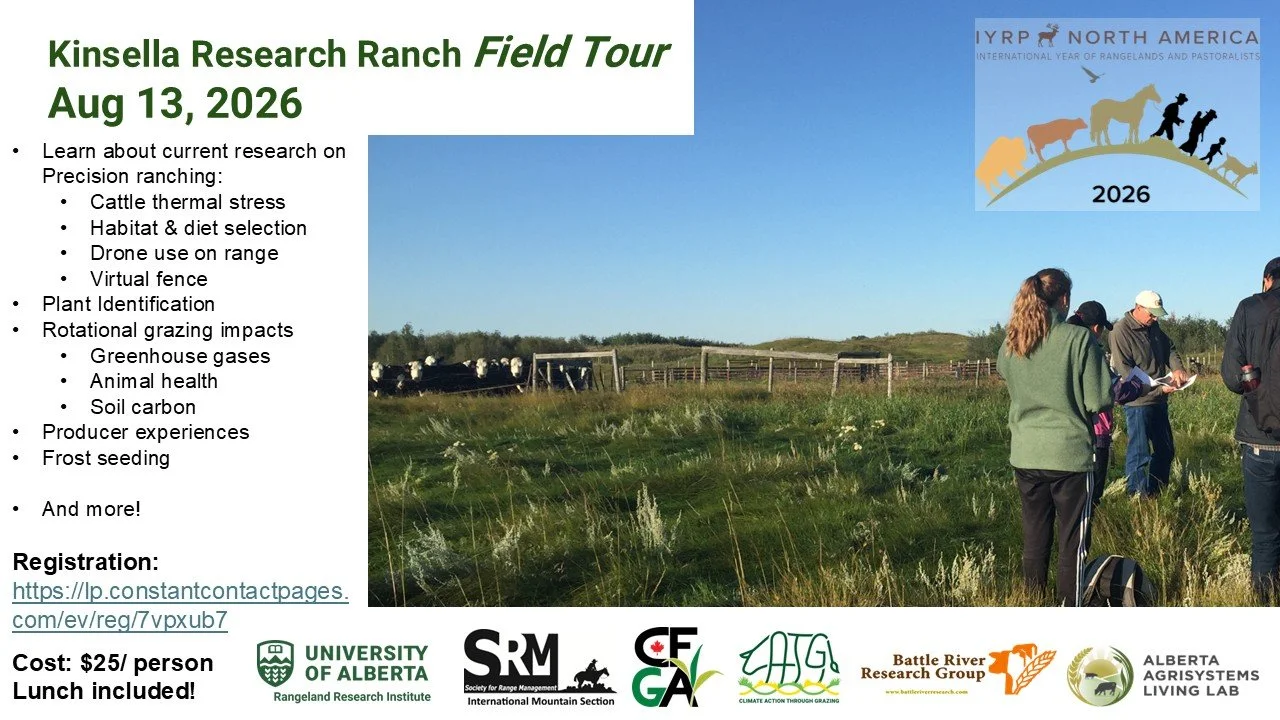
Roy Berg Kinsella Research Ranch Tour
This 12,000 ac ranch is central to the U of A cattle genomics research program - located in the Aspen Parkland region of Alberta.
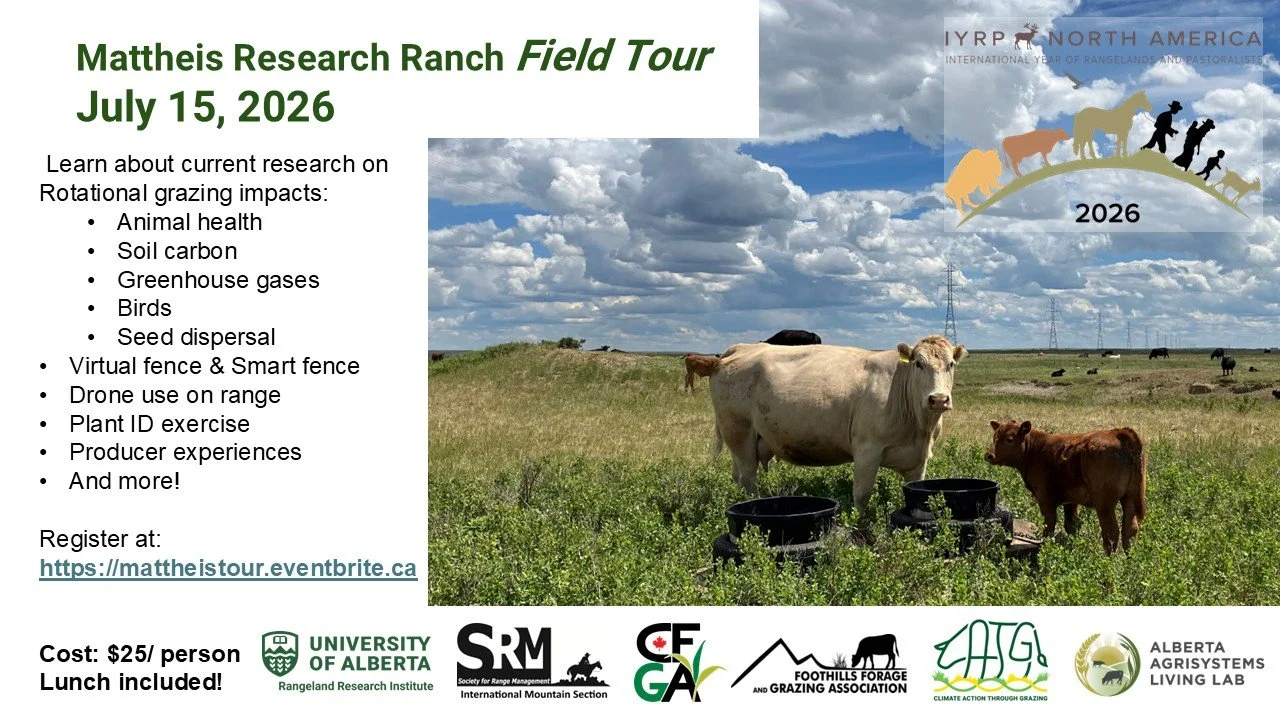
Mattheis Research Ranch Tour
Donated in 2010, this 12,300 ac ranch serves as a major rangeland and cattle grazing research location in Alberta's Mixedgrass Prairie.
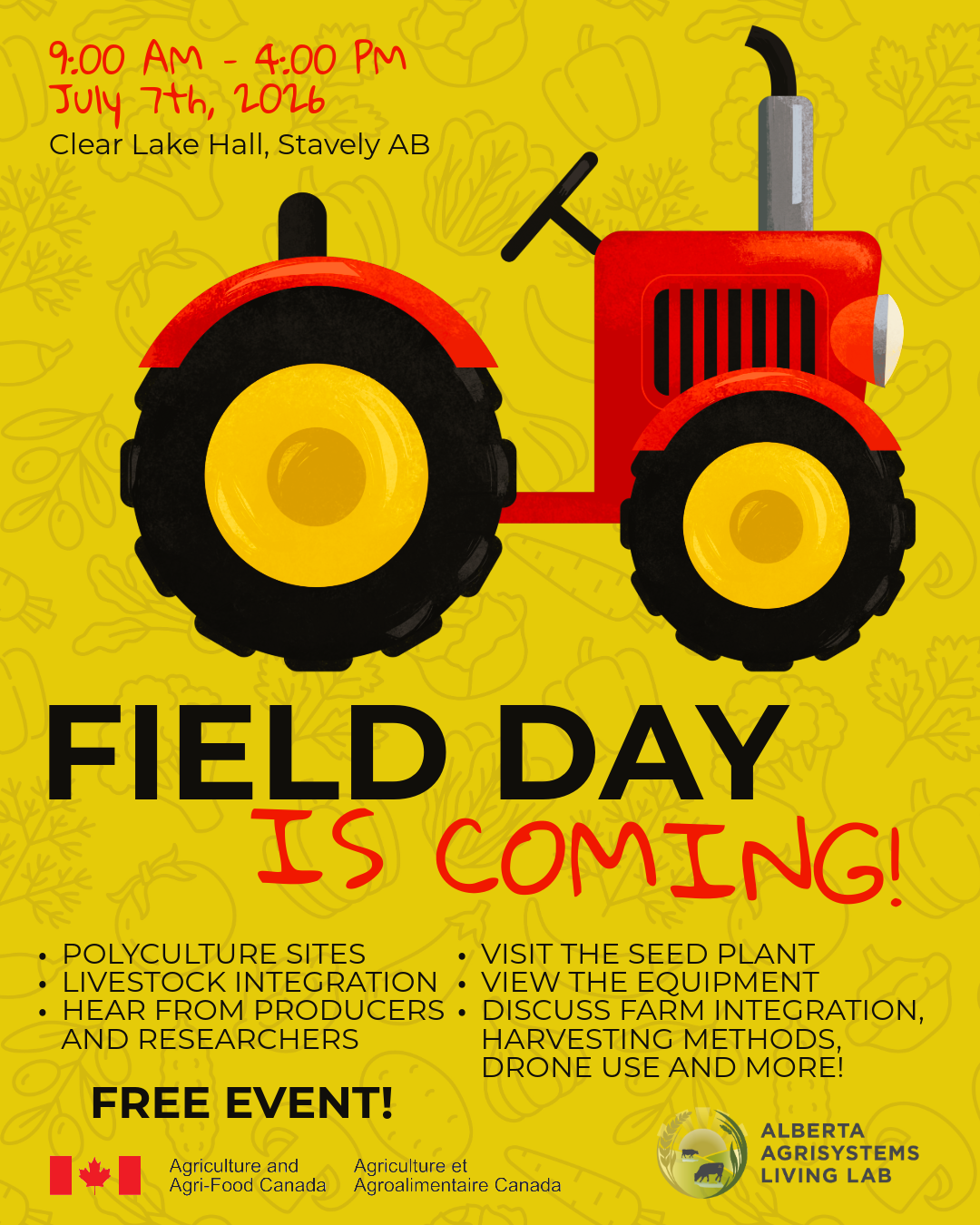
Lamb Farms Field Day
Join Us to learn more about establishing polycultures, integrating livestock, soil health, seed cleaning, drone use and much more!
SOLD OUT!
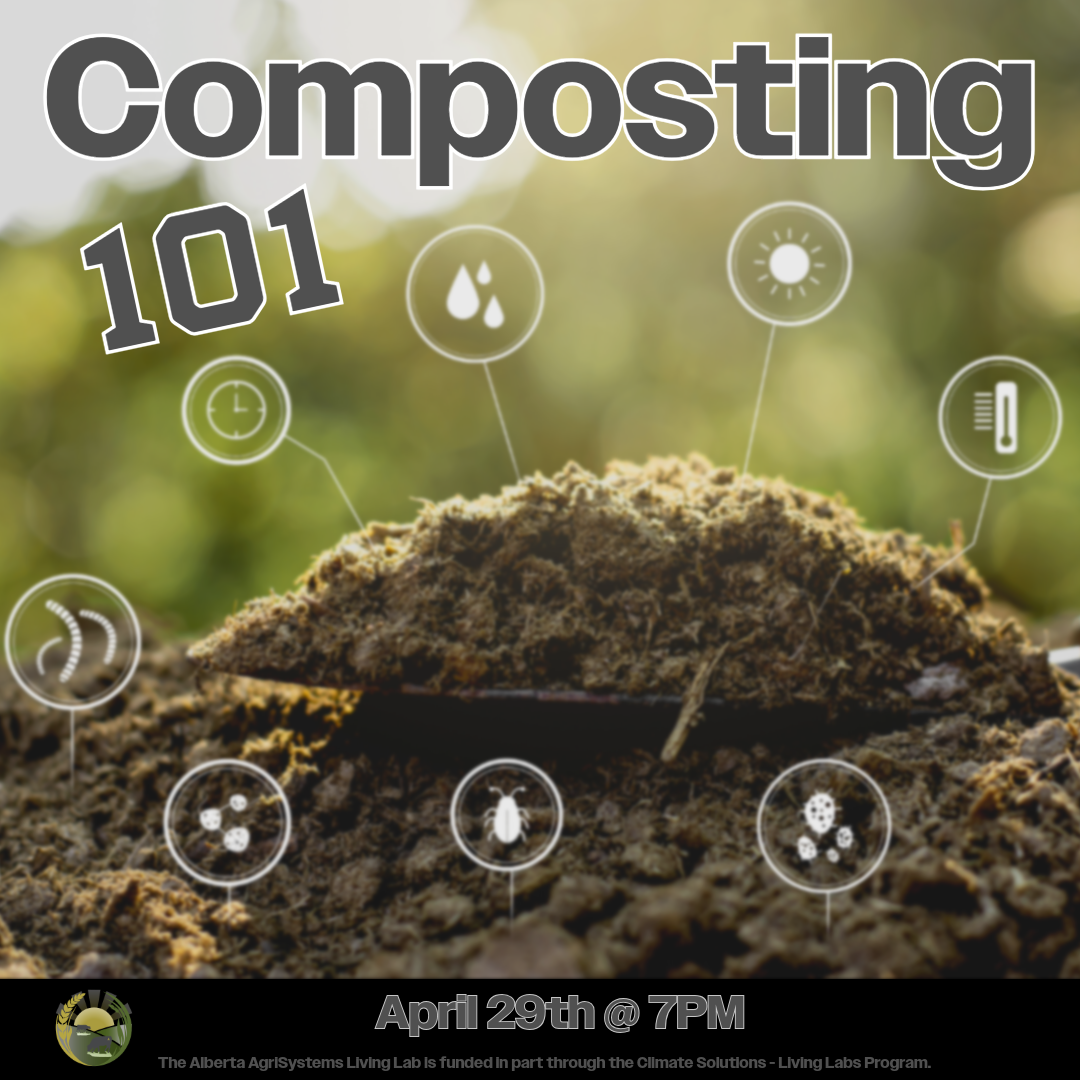
Composting 101
Join Us and Dr. Shanwei Xu from Agriculture and Agri-food Canada as we learn more about composting. we'll gather knowledge on past and current composting research including the concept of composting, optimal conditions for composting procedures, application of composting for the disposal of livestock manure and carcasses, examining the compost/manure fertilizer values as soil amendment for crop production and increase soil health, and co-benefits of using composting for manure disposal including inactivating pathogens such as infectious prions and reducing the antimicrobial residues and spread of antimicrobial resistance genes into environment.
REGISTER HERE.
Dr. Shanwei Xu is a Research Scientist in Soil Chemistry and Nutrient Management at the Lethbridge Research and Development Centre, Agriculture and Agri-Food Canada (AAFC). Dr. Xu’s recent and past research mainly involved using composting for disposal of feedlot manure, specified risk materials, and livestock mortalities with soil application, examining the efficient use of nutrients from manures/composts for profitable crop production, establishing BMPs to reduce negative impact of manure application on agricultural water quality, and characterizing the complexity and diversity of microbial communities in compost and manured soils. Specified aspects of his work have included analyzing manure and compost nutritive values, measuring greenhouse gas emissions, monitoring water quantity and quality, profiling the microbial communities present, and determining the inactivation of pathogens.
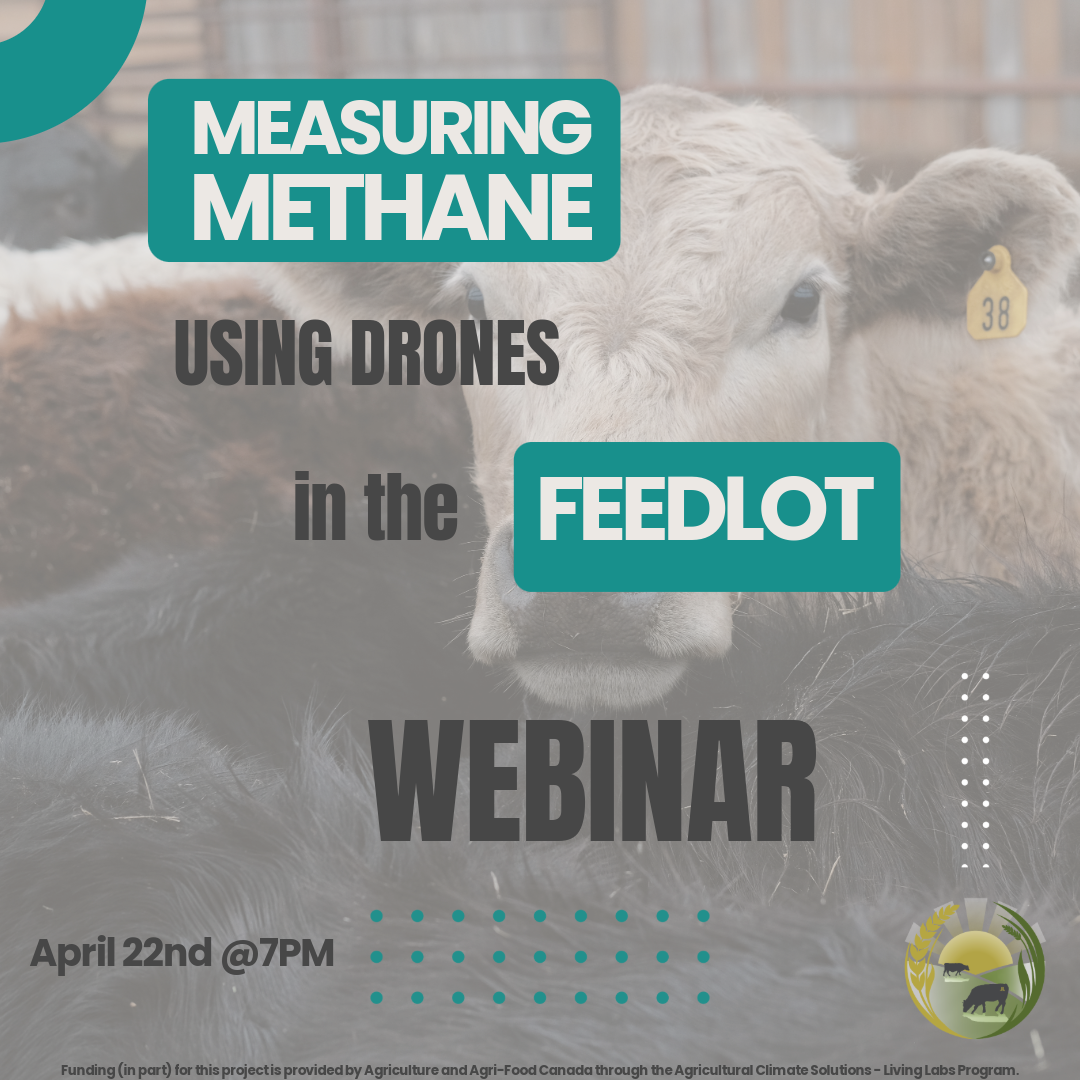
Measuring Methane Emissions from Feedlots Using UAVs
Methane emissions are an increasing focus for the livestock industry, but measuring them accurately under real feedlot conditions remains a challenge. This talk will highlight how uncrewed aerial vehicles (UAVs, or drones) are being used to measure methane emissions directly from feedlots. We’ll walk through how the technology works, what it can reveal about emission patterns, and how these measurements compare to traditional approaches. The presentation will focus on practical insights, current limitations, and what this type of data could mean for producers as the industry moves toward improved efficiency, transparency, and sustainability.
Sushree Sangita Dash is a PhD candidate at McGill University in Montreal and a research participant at Agriculture and Agri-Food Canada’s Lethbridge Research and Development Centre. Her work focuses on measuring and understanding methane emissions from beef feedlot systems using emerging technologies, including UAV-based measurements, under real-world feedlot conditions. Her research is conducted at commercial feedlots to ensure findings are practical, transparent, and relevant to on-farm decision-making. This work is part of a collaborative research effort between Agriculture and Agri-Food Canada and McGill University under the supervision of Dr. Trevor W. Coates and Dr. Chandra A. Madramootoo focused on improving methane measurement in livestock systems.

The Good Beaver
Riparian areas are the zones of water loving plants influenced by water that, although small in proportion, do allot for us. Beavers are a keystone species that create riparian habitat and influence the ecosystem functions these areas provide. This presentation will offer an overview of beaver biology, ecology, and behaviour. It will also touch on challenges when their behaviour or actions conflicts with those of humans and discuss some of the options available for addressing these challenges while still maintaining the benefits of the habitats they create.
Kerri O’Shaughnessy is a Riparian Specialist for Cows and Fish and has been doing this type of work for 28 years with Cows and Fish. In her job, she works with individuals, communities, agencies and organizations on better understanding our watersheds and the riparian areas within them. She is based in Edmonton but her time with Cows and Fish has allowed her to explore many of the natural regions of Alberta (and beyond) and meet many people stewarding our lands and water. Kerri has a Bachelor of Science in Environmental and Conservation Science from the University of Alberta; is a Professional Agrologist, is a certified BeaverCorps Professional and is excited to share what she has learned over the years with hopes to inspire others to look at their landscapes with fresh eyes.
Roots So Deep ON DEMAND Viewing
Roots So Deep (you can see the devil down there) is a 4-part documentary series all about inventive farmers and maverick scientists building a path to solving climate change with hooves, heart and soil.
Can an underutilized way to graze cattle, that mimics the way bison once roamed the land, help get farmers out of debt, restore our depleted soils, rebuild wildlife habitat and draw down huge amounts of carbon? Cattle have been seen as eco-villains for a long time. What if they can help save us from catastrophic climate change?
Roots So Deep: Episode 4 and Q&A
Roots So Deep (you can see the devil down there) is a 4-part documentary series all about inventive farmers and maverick scientists building a path to solving climate change with hooves, heart and soil.
Can an underutilized way to graze cattle, that mimics the way bison once roamed the land, help get farmers out of debt, restore our depleted soils, rebuild wildlife habitat and draw down huge amounts of carbon? Cattle have been seen as eco-villains for a long time. What if they can help save us from catastrophic climate change?
REGISTER HERE. (Please note you need to register for each episode).
After Episode 4 Join Us and our AALL producers and scientists to talk about AMP grazing and the science happening right here in Alberta.
Roots So Deep is guided by director and wrangler of scientists Peter Byck as he meets farmers on both sides of the fence – the folks practicing an adaptive way to graze, and their neighbors set in their family’s generations-old method of doing things. Byck’s team of outcast scientists are measuring what’s happening on both sides of the fences – exploring if this adaptive grazing could help slow down climate change.
And one question looms over the whole series: even if the science shows that the adaptive way to graze is better for the land and the farmers’ pocket books, will the old school farmers change, will they adopt a different method? Will they evolve into climate heroes? Will they save our friggin’ asses from the impending climate catastrophe?
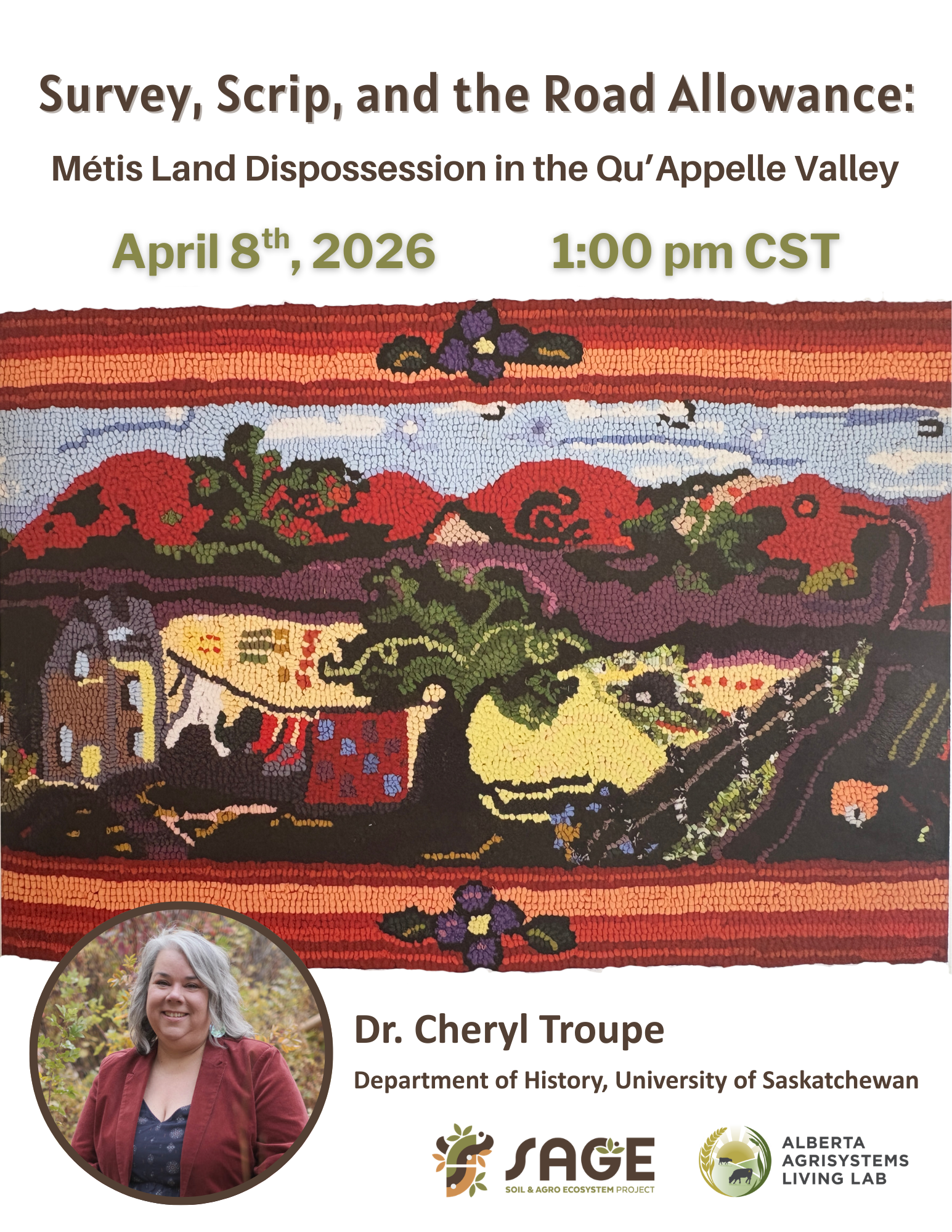
Survey, Scrip, and the Road Allowance: Métis Land Dispossession in the Qu’Appelle Valley
This talk, drawn from Putting Down Roots, examines Métis land dispossession in the Qu’Appelle Valley through the implementation of the Dominion Lands Act and related policies of survey, homesteading, and scrip. These settler colonial policies imposed new systems of land tenure privileging individual ownership, agricultural labour, and strict homestead requirements, undermining Métis relationships to land grounded in kinship networks, mobility, and river-lot settlement. Survey and title regimes fragmented Métis landholdings, while scrip accelerated their transfer to settlers and speculators. Displaced from titled land, many Métis families relocated to the road allowance—marginal spaces set aside in the Dominion Lands survey for the creation of roads—where they built communities and maintained enduring connections to traditional territory.
Dr. Cheryl Troupe is an Associate Professor in History at the University of Saskatchewan and a citizen of the Métis Nation – Saskatchewan. A community-engaged researcher, her work centres Métis voices and perspectives in examining Métis road allowance communities in twentieth-century Western Canada. Her research merges oral histories, family genealogies and mapping to focus on the intersections of land, gender, kinship and how stories are connected to specific places. She is co-editor of Metis Matriarchs: Agents of Transition published by the University of Regina Press in 2024, and the author of Putting Down Roots: Métis Agency, Land Use, and Women’s Food Labour in a Qu’Appelle Valley Road Allowance Community published by the University of Manitoba Press in 2025.
Roots So Deep: Episode 1
Roots So Deep (you can see the devil down there) is a 4-part documentary series all about inventive farmers and maverick scientists building a path to solving climate change with hooves, heart and soil.
Can an underutilized way to graze cattle, that mimics the way bison once roamed the land, help get farmers out of debt, restore our depleted soils, rebuild wildlife habitat and draw down huge amounts of carbon? Cattle have been seen as eco-villains for a long time. What if they can help save us from catastrophic climate change?
REGISTER HERE. (Please note you need to register for each episode)
Roots So Deep is guided by director and wrangler of scientists Peter Byck as he meets farmers on both sides of the fence – the folks practicing an adaptive way to graze, and their neighbors set in their family’s generations-old method of doing things. Byck’s team of outcast scientists are measuring what’s happening on both sides of the fences – exploring if this adaptive grazing could help slow down climate change.
And one question looms over the whole series: even if the science shows that the adaptive way to graze is better for the land and the farmers’ pocket books, will the old school farmers change, will they adopt a different method? Will they evolve into climate heroes? Will they save our friggin’ asses from the impending climate catastrophe?
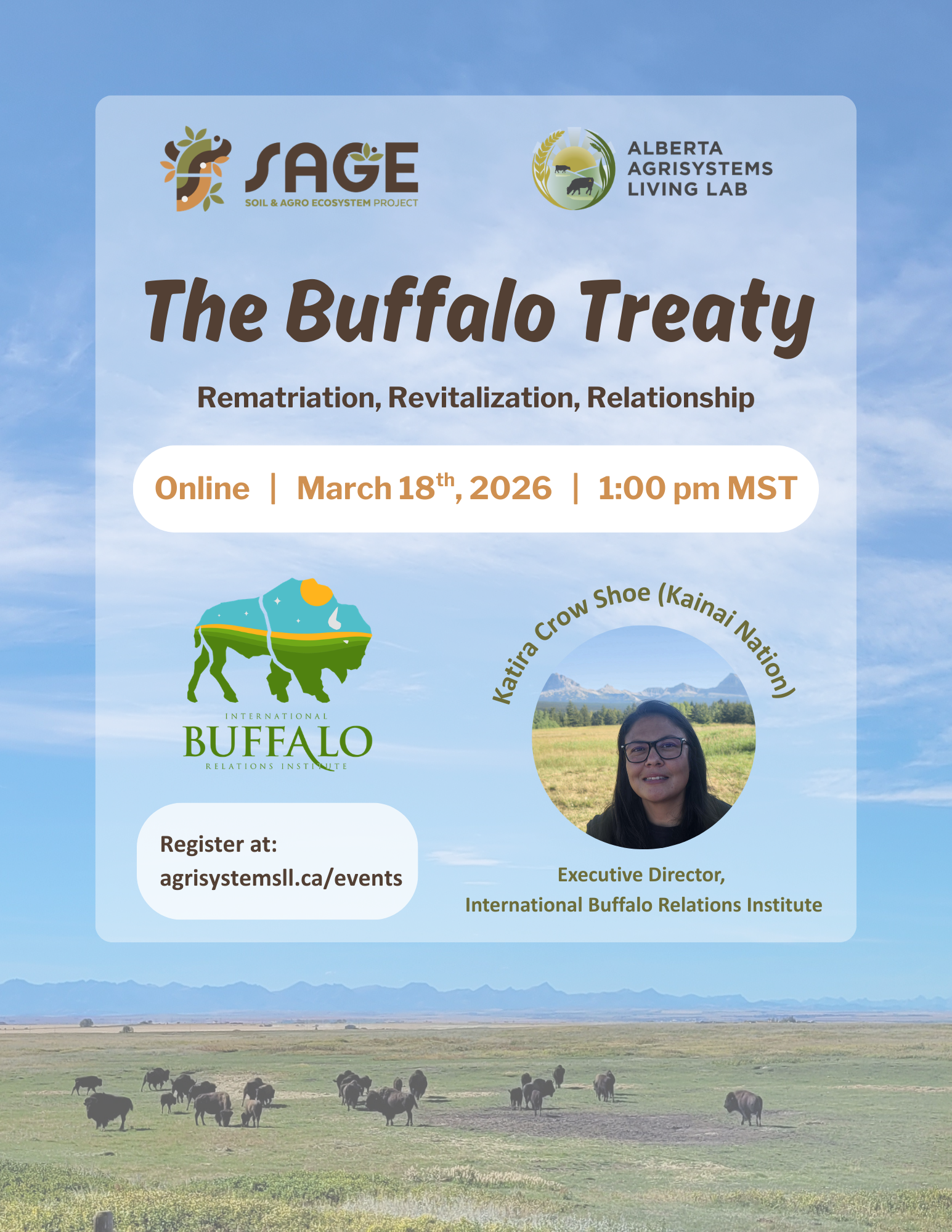
The Buffalo Treaty: Rematriation, Revitalization, Relationship
This presentation will introduce the International Buffalo Relations Institute (IBRI) and how they promote the implementation of The Buffalo: A Treaty of Cooperation, Renewal and Restoration. The Institute contributes to transformative change towards Buffalo Consciousness, Buffalo Rematriation and ecological and cultural renewal in the great plains of North America. Participants will learn about the creation of the Buffalo Treaty and The Buffalo Treaty's intent to encourage signatories and supporters to create systemic change, specifically in the areas of conservation, food sovereignty, and climate change.
Katira Crow Shoe is a member of the Kainai Nation of the Blackfoot Confederacy and is part of
the Akai’pookaiksi (Many Children) Clan. Katira grew up on the Blood Reserve in Southern
Alberta with the Rocky Mountains in her front yard and the prairie ocean at her doorstep.
Because of Katira’s rural upbringing, she is tethered to the land and is passionate about
advocating for the land, plants, animals, and Blackfoot culture and helping others understand
how they are part of our holistic well-being. Currently Katira’s family, siblings, and parents are all working to heal the land by creating an intergenerational Buffalo ranch. Katira is proud to know her children, nieces, and nephews will be the generation who grow up with Buffalo, normalizing their presence.
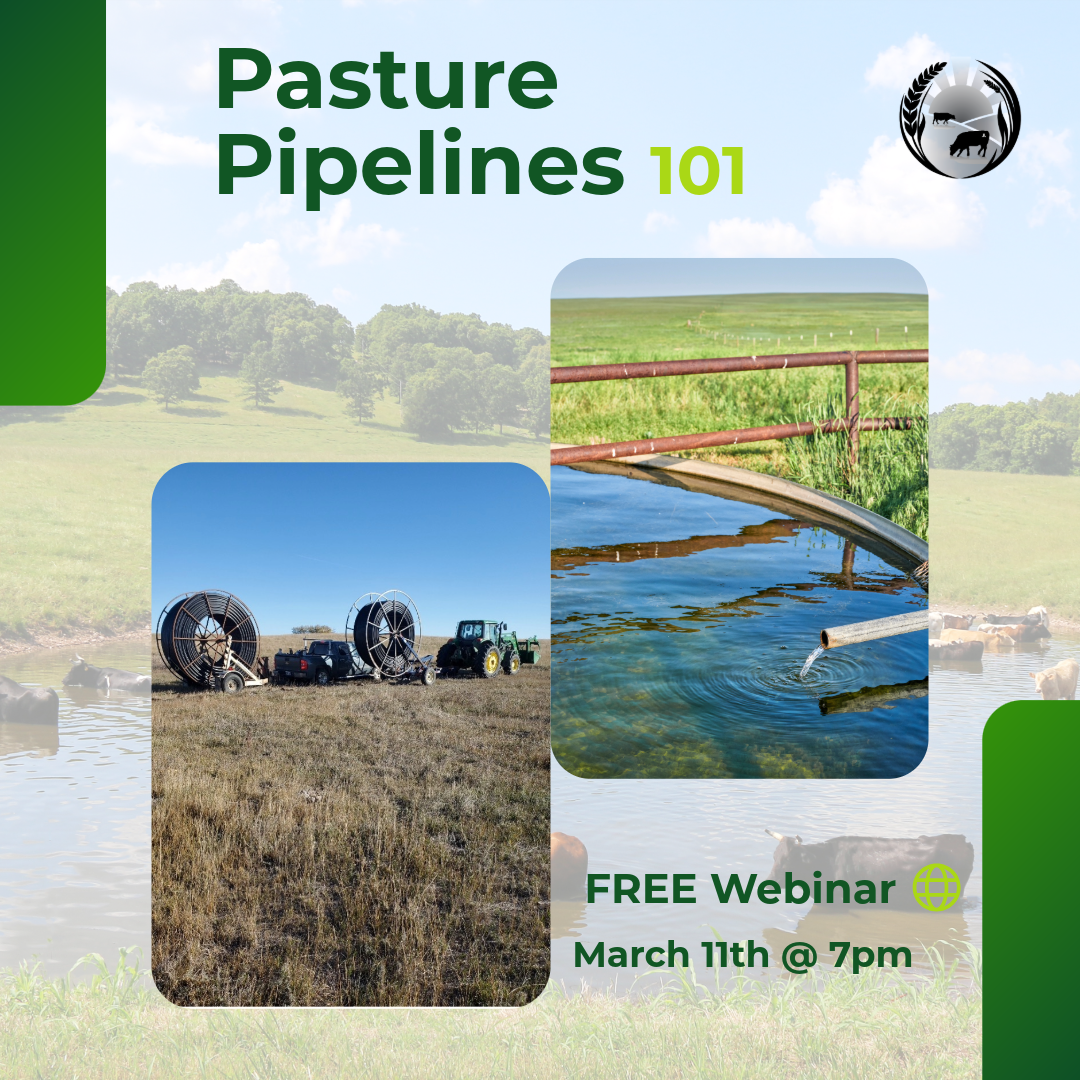
Pasture Pipelines 101
The province of Alberta has been in cyclical droughts since the mid 1980’s. In the last 5 years almost every corner of Alberta has experienced diminished surface water levels, leading to ranchers and farmers needing to diversity their stock water options. Providing water delivered through a shallow buried pasture pipeline is not a new innovation, but it is new to many operators. Pasture pipeline is simple a method of moving water from one place to another. Although the water source is often a well with line power (such as a home site) it can also be natural surface water, a stream, or dugout and be moved via solar power or sometimes gravity for remote applications. This webinar will discuss pipeline advantages and different types and sizes of pipe that can be used for pasture pipelines and provide some practical tips for creating a successful pipeline water system.
Nitrogen Variable Rate Technology
Nitrous oxide is a powerful greenhouse gas that plays a significant role in global warming and climate change. Agriculture is the main source of nitrous oxide emissions, due to the use of nitrogen fertilizers. Nitrogen Variable Rate Technology or NVRT is a promising fertilization method that applies nitrogen fertilizer only where and in the amount the crop actually needs. By avoiding fertilizer overuse, NVRT could help reduce nitrous oxide emissions from farming. However, it is not yet fully understood how much NVRT can reduce nitrous oxide emissions.
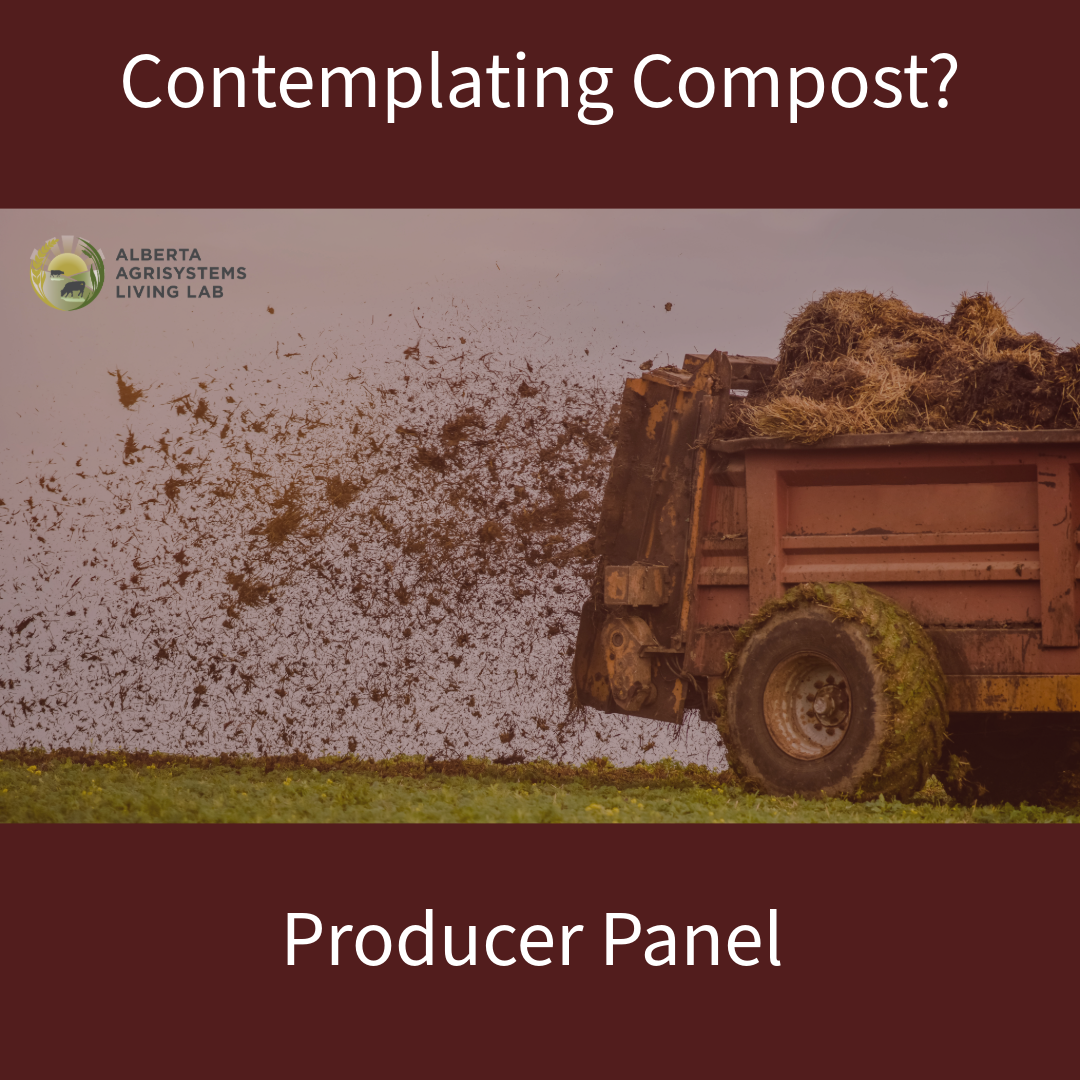
Composting Producer Panel
Let's shed some light on Composting!
It's more than just putting your manure in a pile, as you can find out from our group of three Alberta Agrisystems Living Lab producers. Learn how these three producers are all brewing and using compost in their own unique ways at our upcoming webinar.
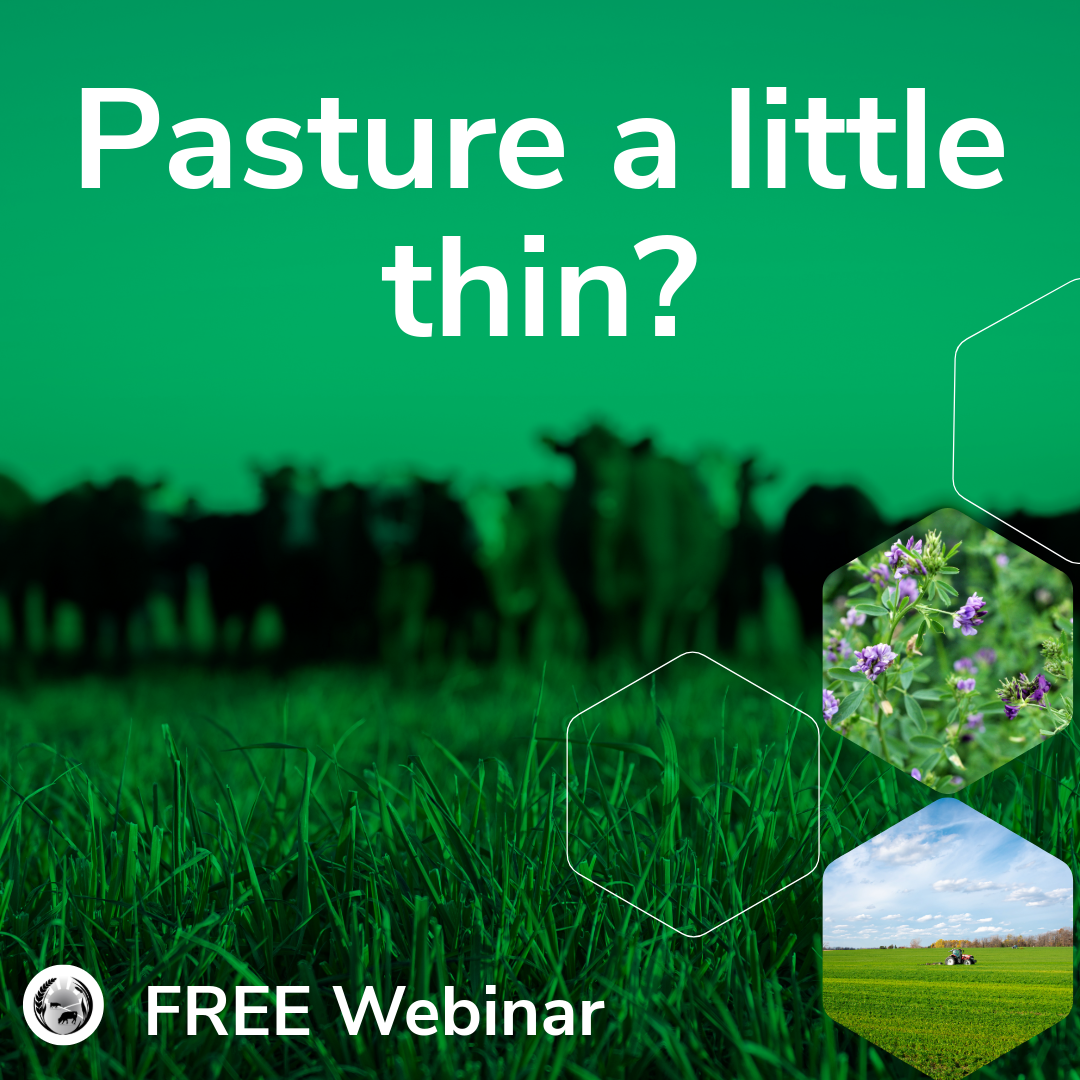
Overseeding: lessons learned in forage rejuvenation.
Join Us and Dr’s Vern Baron and Erick Santos as we explore the potential benefits and ‘How to’s’ of overseeding into your pastures. Do you have questions? We have answers on overseeding.
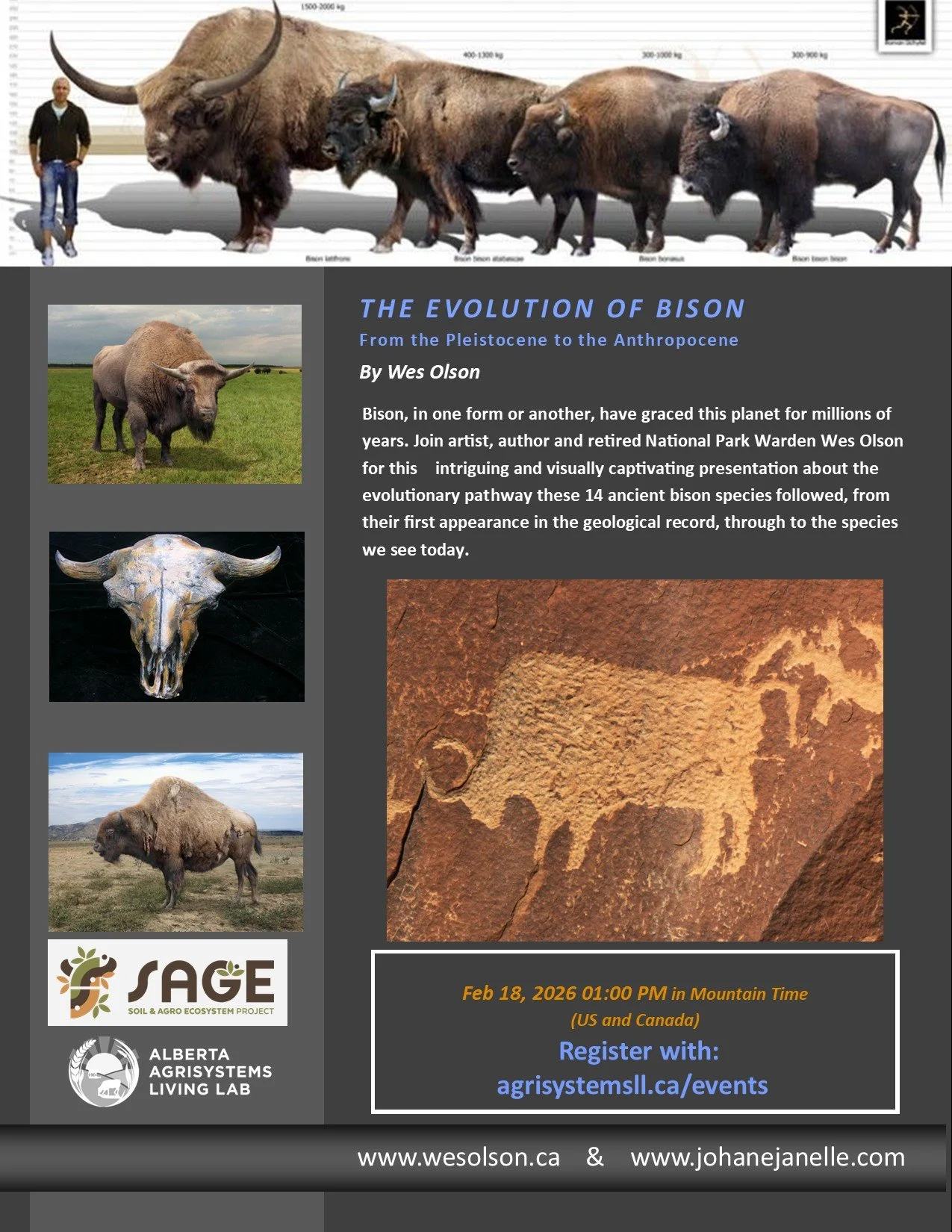
Rekindling the Relationship: Evolution of Bison with Wes Olson.
This webinar is a look back at the prehistoric species of bison and how each of these evolved, adapted, and then either went extinct or developed into the next in line. Tracing the geographic distribution of bison over the millennia, the audience is drawn forward in time to the plains and wood bison that currently occupy North America.
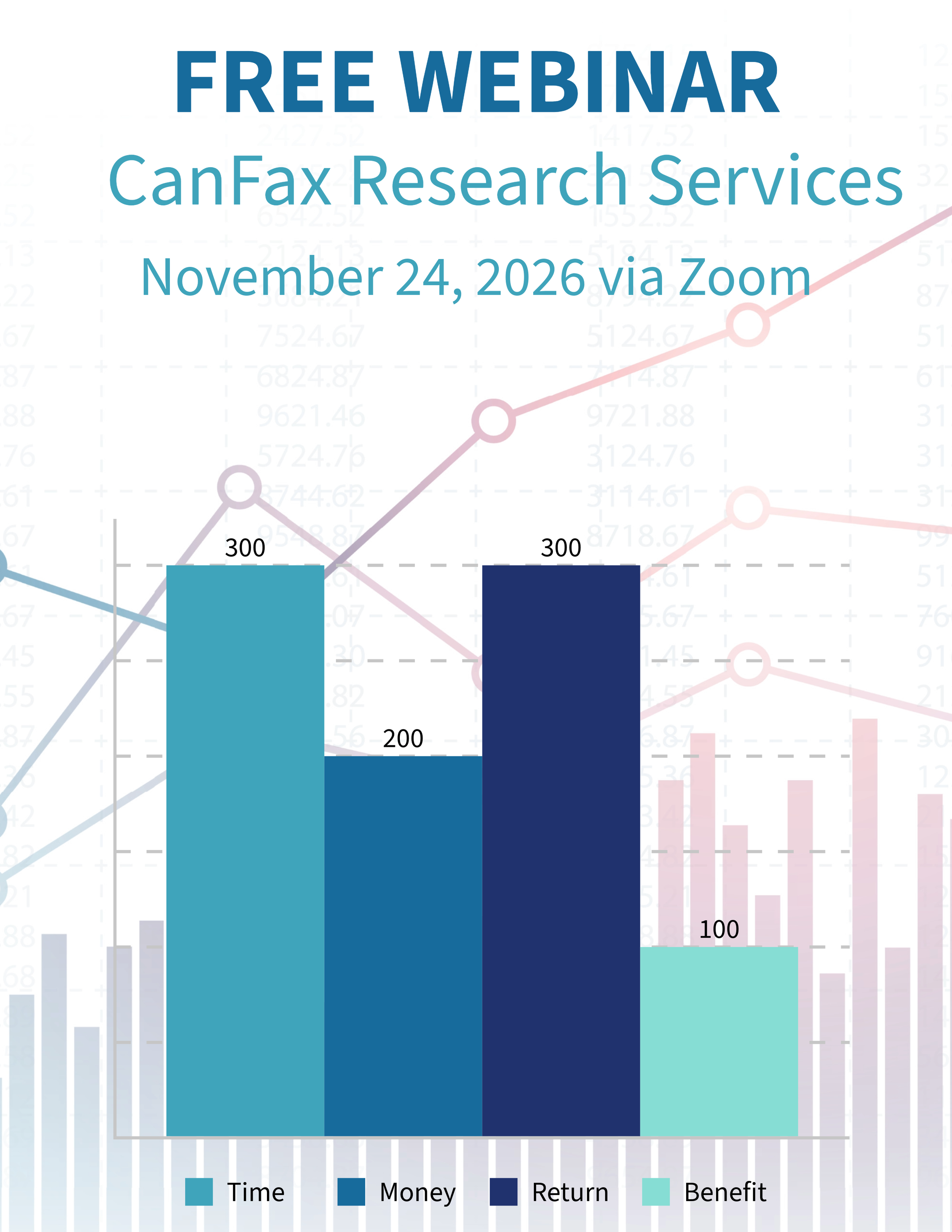
Cost or Pay? The Economics of Swath and Bale Grazing.
Can bale or swath grazing actually save you money? How do these practices compare to drylot feeding? If you have questions, CanFax has answers.
Join Us to learn more on how these practices can improve your bottom line and soil health at the same time.
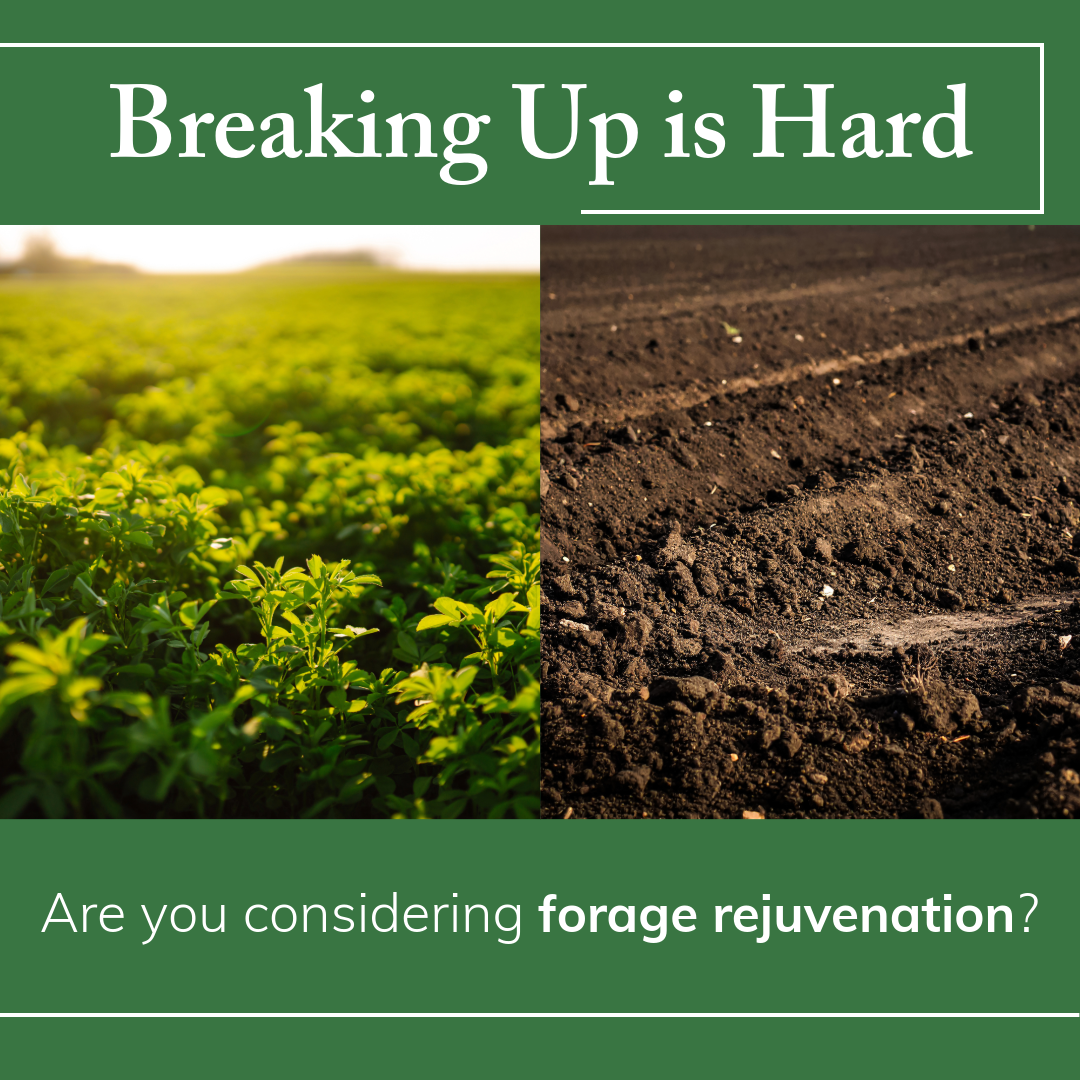
Cost or Pay? Economics of Forage Rejuvenation and Rotational Grazing.
Are you considering forage rejuvenation on your operation or trying rotational grazing?
Adding more infrastructure for rotational grazing or breaking up (land) to improve forage could be hard and expensive, but joining us and CanFax to learn more about the costs, returns and scenarios when working on a forage rejuvenation and rotational grazing is easy!
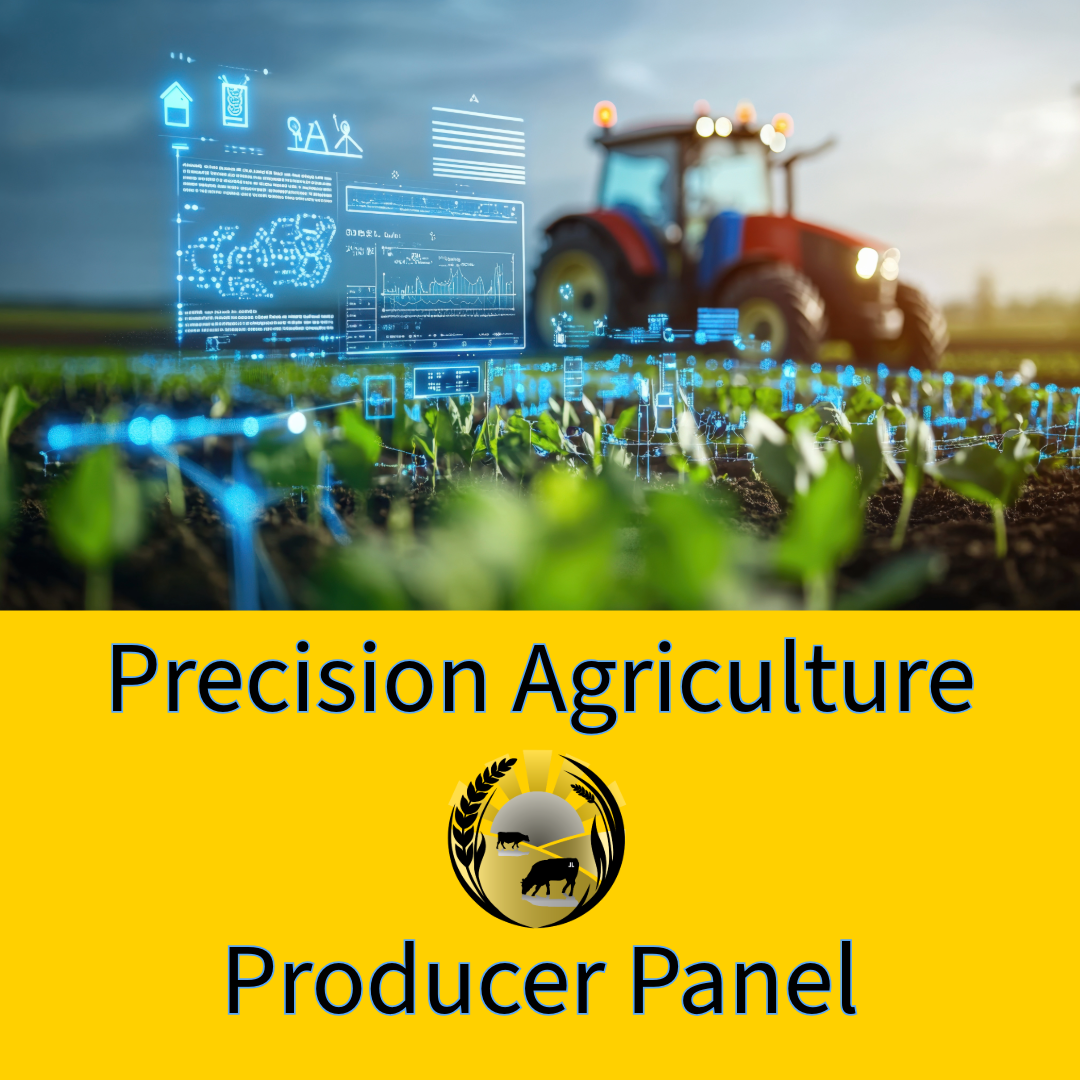
Precision Agriculture Technology: In the Field Perspectives.
Precision Agriculture, only for the large-scale crop operations, right? Wrong!
Join us, the Alberta Agrisystems Living Lab and three of our producer partners to learn from them first-hand how they have adopted and utilized precision ag tech on their operations at our upcoming webinar!
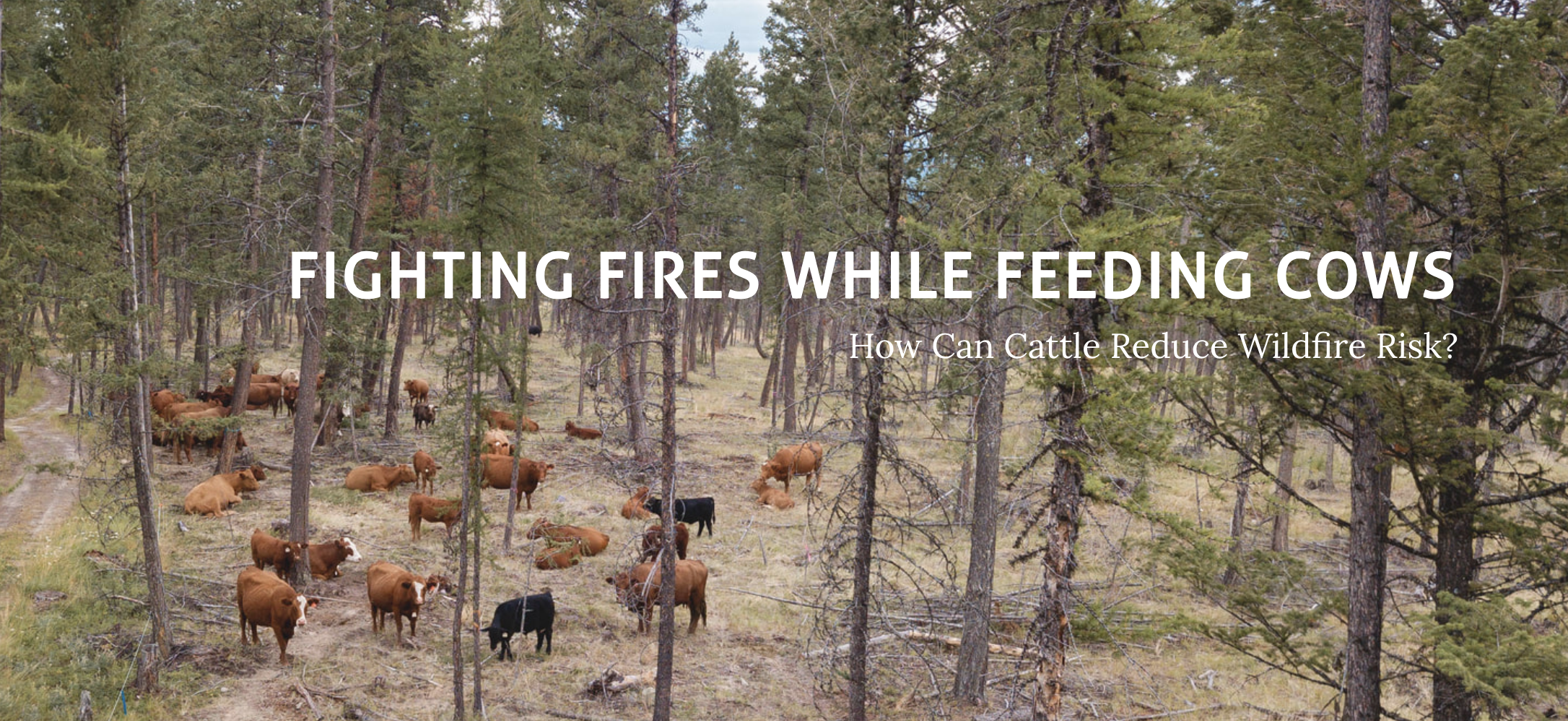
Too Close to Home: Fighting Fires while Feeding Cows.
Join Us and the British Columbia Cattlemen's Association to learn more about how grazing cattle has helped to manage wildfires in BC. With the rise of devastating and intense fire events in British Columbia, it is clear that wildfire mitigation strategies are urgently needed. After witnessing firsthand how grazing can impact fire behaviour, ranchers, researchers and municipalities have come together to collaborate on a series of pilot projects utilizing cattle to reduce fire risk adjacent to urban communities.
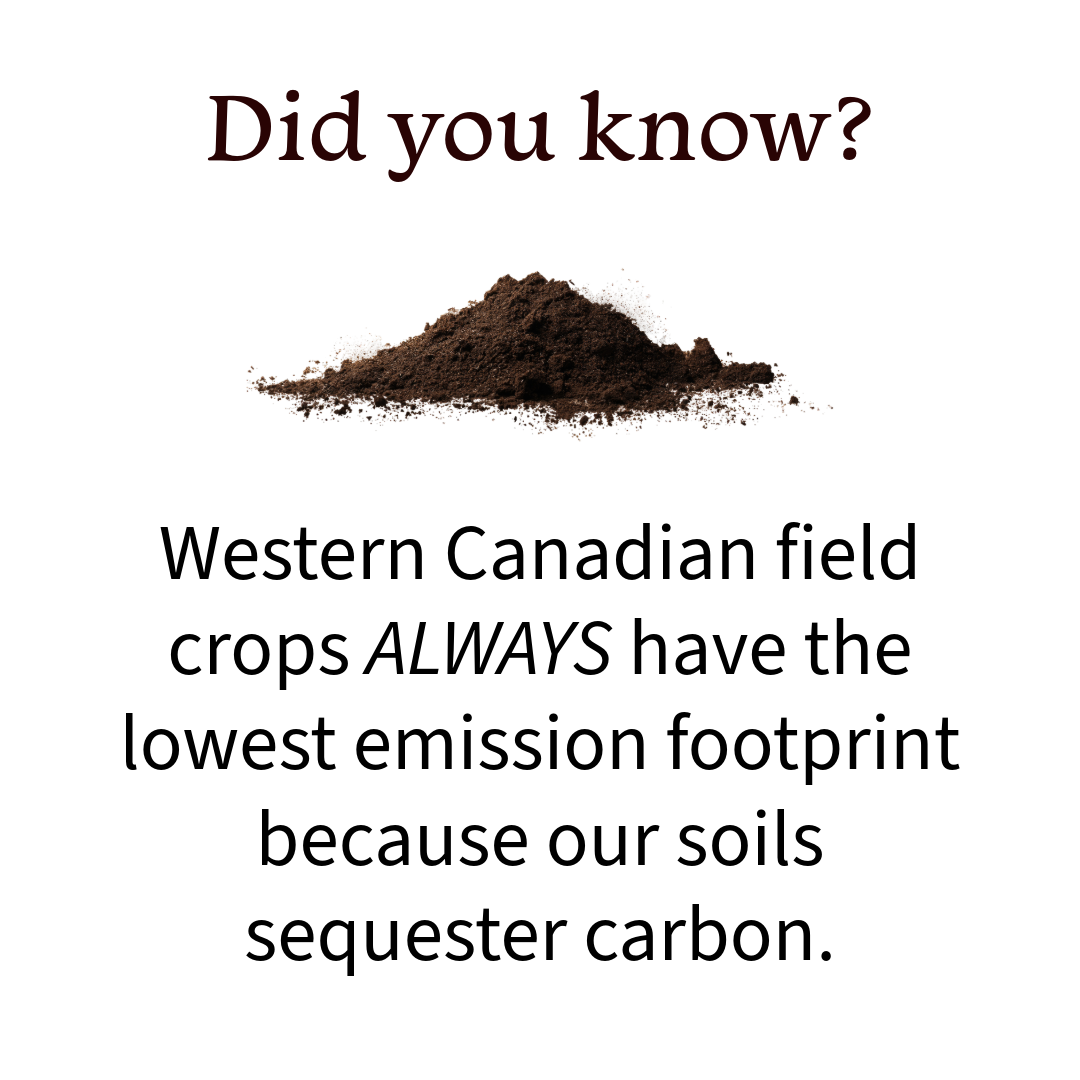
What IS a 'Carbon Footprint' and what is the footprint of Canadian crops?
Carbon footprint? No problem! New research from University of British Columbia found that Canadian crops ALWAYS had the lowest emission footprints in the world because our soils are sequestering carbon. In extreme cases, western Canadian crops could be shipped to western European markets an additional 17 times before their carbon footprint would break even with crops grown in Europe! Want to learn more about this research?
Join Us and Dr. Nicole Bamber in this webinar to learn more about how Canadian soils sequester carbon and Canadian crops have the lowest carbon footprint.
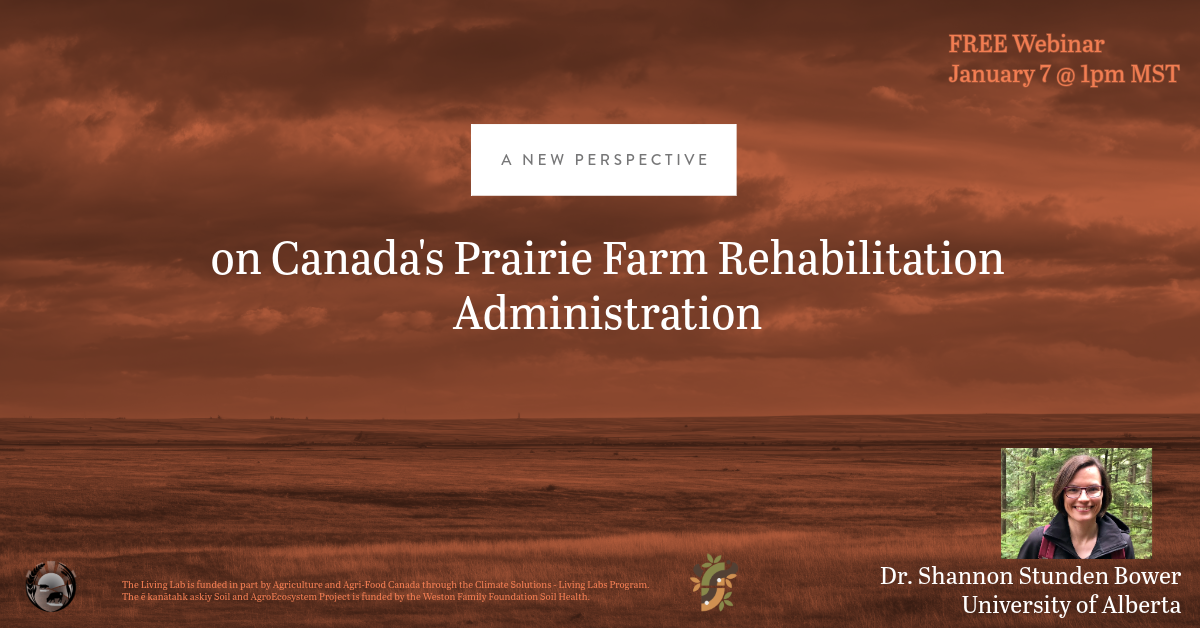
A New Perspective: on Canada’s Prairie Farm Rehabilitation Administration.
Created in 1935, the Canadian federal government’s Prairie Farm Rehabilitation Administration (PFRA) was active for over seven decades. This presentation will offer an updated take on the PFRA, one that is rooted in extensive historical research and that considers the effects of this agency on prairie Indigenous communities.

Adding Annuals to your Grazing Plan.
Join Us and Dr’s Vern Baron and Erick Santos as we explore the potential benefits and ‘How to’s’ of adding annuals into your grazing plans. Do you have questions? We have answers on adding annuals into your grazing plan.

Plot2Farm from Alberta Grains
Plot2Farm aims to bring agronomic management research to the farm-gate.
Join Us and Lara de Moissac from Alberta Grains as we learn more about the projects and results from this on farm program. The Plot2Farm program was initially adapted from small plot research, Alberta Grains developed farm-ready research protocols that farmers can implement on-farm with the help of an agronomist. Since the program’s inception in 2020, Alberta Grains has expanded the list of protocols to include seeding rate, plant growth regulator, and a few custom trials per year.
Lara de Moissac grew up in west-central Saskatchewan on a grain farm and over the last 10 years or so, has held various positions in the ag industry: hop farm management, writing for an online agriculture news and media outlet, and precision agronomy in Southern Alberta. Lara has degrees from Olds College and the University of Lethbridge, as well as a M.Sc. in Soil Science from the University of Saskatchewan. As Agronomy Programs Specialist with Alberta Grains, she is responsible for the Plot2Farm program, leading Alberta Crop Diagnostic Days, managing the new Advanced Management Trial program, and co-managing the Regional Variety Trial program. Lara is passionate about details and strives to equip producers with practical, science-based solutions for managing their operations.

Drones on the Ranch.
As the seasons change, drones remain one of the most practical and versatile tools on the ranch. This session explores how producers can use drones year-round—from checking watering systems and monitoring feeding activity to locating animals with thermal cameras. Markus will share real-world footage and tips for safe and reliable operation in cold weather. He’ll also introduce emerging opportunities such as brush control and targeted spraying, highlighting both the potential and current regulatory limits of these applications.
Weber grew up on a grain and cattle farm in Alberta where he spent much of his time managing early precision agriculture technologies. He holds degrees in agriculture, law, and an MBA from the University of Alberta, and has extensive experience as a Professional Agrologist and agricultural consultant with Serecon. With an Advanced Pilot’s Certificate with Flight Reviewer rating and a lifelong passion for precision agriculture, Markus has been instrumental in advancing farm drone technology for eleven crop years through LandView Drones.
Fighting Drought: Silvopasture Solutions.
Join Us and Winston Gamache from the Agroforestry & Woodlot Extension Society (AWES) as we learn more about the critical roll trees can play in managing dry conditions across the prairies.
Winston will cover the basics and benefits of silvopasture practices with a focus on how tree and livestock integration can help with heat and drought on the landscape. This talk will also cover planning, species selection for cold climates, preparing for planting, and troubleshooting common issues with establishing new trees. Wrapping up with potential funding pathways available for these types of sustainable tree planting initiatives.
Winston joins AWES with expertise in horticulture, agroecology, and agroforestry. He has a passion for all things gardening, especially perennial crops and tree fruit crops. He loves exploring the ways trees and human systems interact and planning resilient systems. With a background in biochemistry and biology, years of experience in horticulture, and perspective from being raised on a farm, Winston helps to support our shelterbelt and agroforestry projects as well as our extension work.

Feeling a bit weedy? Integrated Weed Management with Dr. Breanne Tidemann
Weeds got you wilting?
Join Us and Dr Breanne Tidemann from Agriculture and Agri-Food Canada to learn more about integrated weed management. Wondering where weeds are at with resistance? Considering competitive varieties? Looking for more information on herbicides for Lupins? We will cover these topics and more during this webinar.
Get Growing! How to increase sustainable forage production and quality.
Silage spoiling? Bales slumping? Alfalfa floundering?
Join Us and Dr. Tim McAllister from Agriculture and Agri-Food Canada to learn more about optimizing sustainable forage production and quality. Forage production requires a unique skill set; from timing for optimal yields to selecting the right forages for your environment (and everything in between). If you’re looking to increase your knowledge and skillset around forage production and increase the quality of forage for the dollars you spend this is the webinar for you!

Soil Health & Regenerative Field Day
Register now for this field day in Westlock and Athabasca Counties. We have a great FREE field day for producers interested in soil health, composting, intercropping, humalite, regenerative agriculture and much more!
Agenda
8:30 AM - 9:00 AM Registration
9:00 AM - 9:30 AM Compost plots and reduction in fertilizer
9:30 AM - 10:30 AM Corn Intercroping & Humalite
10:30 AM - 11:00 AM Barley/Fall Rye Intercrop/ fertilizer use
11:00 AM - 12:00 PM Trees, bale grazing/soil improvement on cleared land
12:00 PM - 1:30 PM Lunch will be provided
1:30 PM - 2:00 PM Applying compost to pastures and the impact on sandy soils
2:00 PM - 2:45 PM Multi species swath grazing and humalite application
3:00 PM - 3:30 PM Composting 101 and incorporation of Gypsum for compost amendment
4:00 PM Head for home!